Pizza Styles Explained: Neapolitan, New York, Sicilian and More
"Pizza" can mean very different things depending on where you are standing. In Naples it is a soft, blistered round eaten with a knife and fork. In New York it is a wide, foldable slice. In Sicily and Detroit it is a thick, airy square. If you have ever wondered why one pizza shop's pie looks nothing like another's, the answer is usually style.
This guide walks through the most popular pizza styles you are likely to meet in Massachusetts and beyond, what makes each one distinctive, and how to decide which one suits your mood. Once you know the basics, reading a pizzeria menu becomes a lot more fun.
Why Pizza Styles Differ
Every style is the product of a few simple choices:
- The dough – how much water it holds, how long it ferments and whether it contains oil or sugar.
- The shape and pan – round and hand-stretched, or pressed into a rectangular or deep pan.
- The oven – a very hot wood-fired oven, a stone deck, a conveyor or a home oven. Our brick oven pizza guide explains why heat matters so much.
- The order of toppings – sauce first, cheese first, or sauce on top.
Change any of those and you get a different pizza. Here are the styles worth knowing.
Neapolitan Pizza
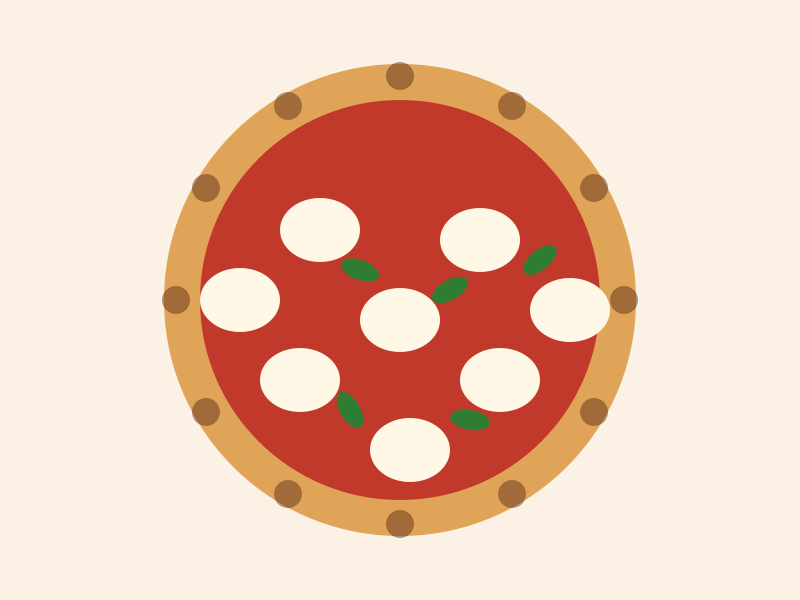
Neapolitan pizza comes from Naples, the city most often credited as the birthplace of modern pizza. It is small (usually a personal size), thin in the center with a puffy, blistered rim, and baked for around a minute in a very hot wood-fired oven. Toppings are minimal: the classic versions are the Marinara (tomato, garlic, oregano, olive oil) and the Margherita (tomato, mozzarella, basil).
Choose it if you love a soft, tender crust and fresh, simple flavors. Expect the center to be a little soupy – that is part of the style.
New York-Style Pizza
New York-style pizza grew out of the Neapolitan tradition brought by Italian immigrants, but it adapted to American ovens and ingredients. The pies are large, typically 16 to 18 inches, with a thin crust that is crisp at the edge yet flexible enough to fold in half. Low-moisture mozzarella and a lightly seasoned tomato sauce give it a familiar, satisfying flavor.
Choose it if you want a classic slice you can eat on the go, or a big pie to share.
Sicilian and Grandma Pizza
Sicilian-style pizza in the United States is a thick, rectangular pie baked in an oiled sheet pan. The dough rises in the pan, producing a light, bready interior with a crisp, almost fried base. It traces its roots to sfincione, a spongy Sicilian flatbread topped with tomato, onions, breadcrumbs and cheese.
Grandma pizza is its thinner cousin, associated with Long Island. The dough is stretched into a pan without a long second rise, topped with cheese and dollops of tomato sauce, and baked until crisp.
Choose it if you like a sturdy, square slice with plenty of crunch on the bottom.
Pan Pizza
Pan pizza is baked in a deep, oiled pan so the crust fries slightly as it bakes. The result is a thicker, golden base with a soft crumb and crispy edges. It is ideal for heavier toppings because the crust will not flop. Rustic Pizza's menu includes a one-size pan pizza that you can top however you like.
Choose it if you want something hearty and comforting, or you are feeding kids who like a thicker crust.
Detroit-Style Pizza
Detroit-style pizza is baked in a rectangular steel pan, originally the kind used in auto-plant workshops. The dough is thick and airy, the cheese – traditionally Wisconsin brick cheese – is spread all the way to the edges so it caramelizes into a lacy, crunchy crust, and the sauce is often ladled on top in stripes after baking.
Choose it if the crispy cheese edge is your favorite part of any pizza.
Chicago Deep Dish
Deep dish is closer to a savory pie than a flatbread. A buttery crust lines a tall round pan, then layers of cheese and fillings go in, and a chunky tomato sauce goes on top so the cheese does not burn during the long bake. One or two slices are usually plenty.
Choose it if you are very hungry and ready to use a fork.
Thin Crust, Bar Pizza and Tavern Style
Many regions have their own ultra-thin pizzas. In parts of Massachusetts, "bar pizza" is a small, cracker-thin pie baked in a shallow pan with cheese right to the edge. In the Midwest, tavern-style pizza is thin, crisp and cut into squares. These pizzas are light, crunchy and perfect for sharing with drinks.
Quick Comparison of Pizza Styles
| Style | Shape | Crust | Best for |
|---|---|---|---|
| Neapolitan | Small round | Soft, puffy rim, thin center | Fresh, simple toppings |
| New York | Large round | Thin, foldable | Classic slices and sharing |
| Sicilian | Rectangle | Thick, airy, crisp base | Hearty square slices |
| Grandma | Rectangle | Thinner, crunchy | Garlicky, saucy squares |
| Pan | Round or square | Thick, golden, fried edges | Heavy toppings, families |
| Detroit | Rectangle | Thick with caramelized cheese edge | Crispy-edge fans |
| Chicago deep dish | Tall round | Buttery, pie-like | A knife-and-fork meal |
How to Pick the Right Style
There is no single best pizza style – only the best one for the moment. A few rules of thumb:
- Feeding a crowd? Large round pies and sheet-pan pizzas cut into many pieces and are easy to share. Our guide on how many pizzas to order helps with the math.
- Want the toppings to shine? A thinner crust lets ingredients like fig and prosciutto or fresh mozzarella and basil take center stage.
- Loading up? Meat-heavy or veggie-packed pizzas hold up best on a sturdier crust such as pan pizza.
- Going light? Choose a thin crust with vegetables and pair it with a salad. See what to serve with pizza for ideas.
Where Rustic Pizza Fits In
Rustic Pizza is a neighborhood pizzeria rather than a single-style specialist. Our menu mixes familiar round pies you can build your own way with gourmet combinations inspired by Italy, New England and Brazil – think Capricciosa, Italian cold cuts, Fig & Prosciutto and Chicken with Catupiry – plus a thicker pan pizza for those who like extra crust.
The best way to find your favorite style is to taste a few. Browse the full menu, pick something new next time you order, and let us know which style wins at your table.