Brick Oven Pizza: What Makes It Different?
Ask a pizza lover what separates a good pie from a great one and the answer often comes back to the oven. Brick oven pizza has a reputation for a crust that is crisp on the outside, soft and airy inside, and marked with little dark blisters that add a toasty, almost smoky flavor. But what is actually happening inside that dome of brick, and does it really make a difference you can taste?
At Rustic Pizza in Sherborn, brick-oven baking and homemade dough have long been at the heart of what we do, so we wanted to put together a plain-English guide. Below you will learn how a brick oven works, how it compares with other pizza ovens, and how to get the most out of a brick oven pizza once it lands on your table.
What Is a Brick Oven?
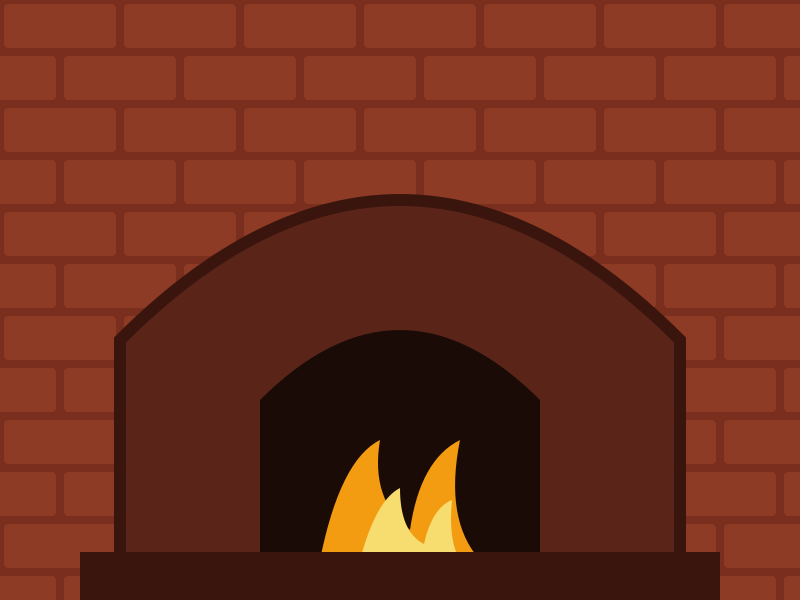
A brick oven is an oven built from heat-resistant masonry – usually firebrick, refractory clay or stone – arranged into a low, rounded dome over a flat cooking floor. The design is ancient. Versions of it were used for baking bread across the Mediterranean for centuries, and it became closely linked with pizza in Naples, where wood-fired domed ovens are still the standard for traditional Neapolitan pies.
The key feature of a brick oven is thermal mass. Thick masonry absorbs a huge amount of heat and then releases it slowly and evenly. Once a brick oven is fully heated, the floor, the walls and the dome all radiate heat back toward the food. That stored energy is what allows a brick oven to bake pizza after pizza without the temperature collapsing every time the door opens.
How a Brick Oven Bakes Pizza
Every oven cooks with some mix of three types of heat. A brick oven is special because it delivers all three at high intensity at the same time.
1. Conduction from the floor
The pizza sits directly on hot brick or stone. Heat flows straight into the bottom of the dough, setting the base quickly and creating that crisp, lightly charred underside. Because brick releases heat more gently than bare metal, the bottom crisps without burning as fast as it would on a steel sheet at the same temperature.
2. Radiant heat from the dome
The curved ceiling reflects heat down onto the top of the pizza. This is what melts the cheese, bubbles the sauce and puffs the outer rim of the crust, known as the cornicione. Radiant heat is also responsible for the dark "leopard spots" you see on a well-made crust.
3. Convection from moving air
In a wood-fired oven, the fire burns at the side or back of the chamber. Hot air and flame roll up across the dome and circulate around the pizza, browning the edges and finishing the toppings.
Put those three together and a pizza bakes far faster than it would at home. According to the rules of the Associazione Verace Pizza Napoletana (AVPN), which protects the traditional Neapolitan method, an authentic Neapolitan pizza is baked in a wood-fired oven at roughly 430–480°C (about 800–900°F) for only 60–90 seconds. Many pizzerias that bake American-style pizza in brick or stone ovens run them cooler – often somewhere in the 550–700°F range – so the pizza bakes for several minutes and develops a firmer, crisper crust that holds heavier toppings.
Brick Oven vs. Other Pizza Ovens
Not every pizzeria uses the same equipment, and each oven type produces a slightly different result. Here is a quick comparison.
| Oven type | Typical heat | What it does well |
|---|---|---|
| Wood-fired brick oven | Very high; hottest near the fire | Fast bake, blistered crust, light smoky aroma |
| Gas-fired brick or stone oven | High and steady | Brick-oven texture with easier temperature control |
| Deck oven (stone or steel decks) | Medium-high | Consistent New York-style and bar-style pies |
| Conveyor oven | Moderate, forced hot air | Very consistent results at high volume |
| Home kitchen oven | Usually tops out around 500–550°F | Convenient; best with a preheated pizza stone or steel |
None of these is "wrong". A conveyor oven is designed for speed and consistency, a deck oven is the workhorse of many classic American pizza shops, and a brick oven is prized for flavor and texture. The oven simply shapes the style of pizza you get.
What Brick Oven Pizza Tastes Like
If you have never paid attention to the difference, here is what to look for next time you order:
- A contrast of textures. The outside of the crust is crisp and lightly charred, while the inside stays tender and open, with irregular air pockets.
- Toasty, slightly bitter char. Small dark spots on the rim and base add a pleasant bitterness that balances rich cheese and sweet tomato.
- Brighter toppings. Because the bake is quick, vegetables keep some bite, basil stays fragrant and tomato sauce tastes fresh rather than stewed.
- A lighter feel. Well-fermented dough baked hot and fast tends to feel less heavy than dough baked slowly at a lower temperature.
The dough matters as much as the oven. A brick oven cannot rescue a dough that was rushed. That is why pizzerias that care about the crust pay attention to hydration, fermentation time and how the dough is stretched. Our motto – home made bread and pizza – is a reminder that great pizza starts long before the oven door opens.
Wood, Gas or Coal?
Brick ovens can be fueled in different ways. Wood is the traditional choice in Naples and gives the most dramatic flame and a subtle smoky note. Gas-fired brick ovens heat the same masonry but offer steadier, more predictable temperatures, which many busy kitchens appreciate. Coal-fired ovens, famous in a handful of historic New York and New Haven pizzerias, run extremely hot and produce a very crisp, well-charred crust.
The fuel changes the character of the pizza a little, but the core benefits of a brick oven – thermal mass, intense radiant heat and a hot floor – are the same.
Common Myths About Brick Oven Pizza
"Burnt spots mean the pizza is burnt."
Scattered dark blisters are a sign of a hot oven and a well-fermented dough. A pizza that is black across the whole base is overcooked, but spotting on the rim is exactly what many pizza makers aim for.
"All brick oven pizza is Neapolitan."
Neapolitan pizza is one style that uses a brick oven, but pizzerias bake many other styles in brick and stone ovens, including thin crust, New York-inspired pies and gourmet specialty pizzas. Our guide to pizza styles explains the differences.
"You need a brick oven to make good pizza."
Not at all. Great pizza comes from good dough, balanced toppings and an oven the cook knows well. The brick oven is a tool that makes certain textures easier to achieve.
How to Enjoy Brick Oven Pizza at Its Best
- Eat it soon. Brick oven pizza is at its best within the first 10–15 minutes, while the crust is still crisp.
- Carry the box flat. Tilting the box slides the toppings and lets steam soften the base.
- Crack the lid. If you have a short drive home, opening the lid slightly lets steam escape so the crust stays crisper.
- Reheat it properly. Leftovers bounce back best in a hot skillet or oven rather than the microwave. See our step-by-step guide on how to reheat pizza.
- Pick toppings that suit high heat. Simple combinations such as the Margherita, pepperoni or pesto chicken show off a well-baked crust.
The Final Slice
A brick oven is not magic, but it is a very good tool: thick masonry stores heat, the hot floor crisps the base, and the dome reflects heat down onto the toppings so the pizza bakes quickly and evenly. Combined with carefully made dough, the result is a crust with real character – crisp, chewy, blistered and full of flavor.
Want to taste the difference for yourself? Browse the Rustic Pizza menu, try one of our gourmet pies, and let the crust do the talking.